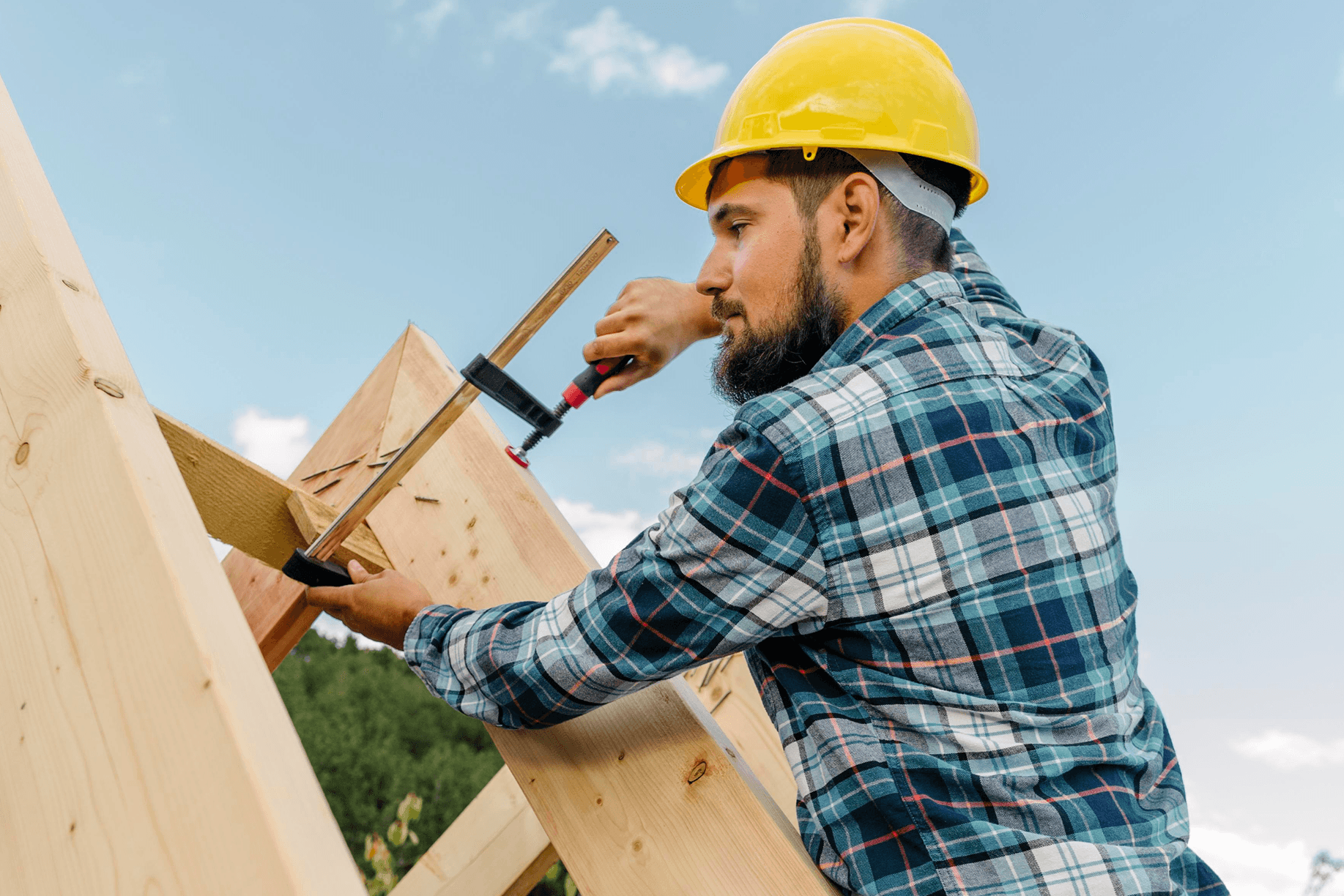
5 Common Roof Repairs You Can Easily Handle Yourself Safely
By John Henry
3 min read


Maintaining your roof doesn’t always require a professional. Some repairs are simple enough to tackle yourself—if you follow the right safety steps. From fixing small leaks to replacing shingles, handling these tasks early can save you money and prevent bigger issues down the line. Here’s a guide to 5 common roof repairs you can safely do yourself.
Preparation Tips Before You Start
Proper preparation is key to completing DIY roof repairs safely and efficiently. Follow these steps first:
Inspect your roof carefully – Identify damaged shingles, leaks, or loose flashing before starting repairs to prevent further damage and ensure a safe, effective repair process.
Gather your tools– Have a sturdy ladder, gloves, safety harness, roofing nails, hammer, and replacement shingles ready.
Set a budget – Prioritize tasks to ensure nothing is overlooked.
Set a safety plan – Never work on a wet or icy roof, and make sure someone is nearby in case of emergency, accidents, or unexpected hazards.
Preparation ensures your DIY work is safe, smooth, and effective.
5 Easy Roof Repairs You Can Do Yourself
Here are simple tasks most homeowners can handle with basic tools and safety precautions:
1. Replacing Missing or Damaged Shingles
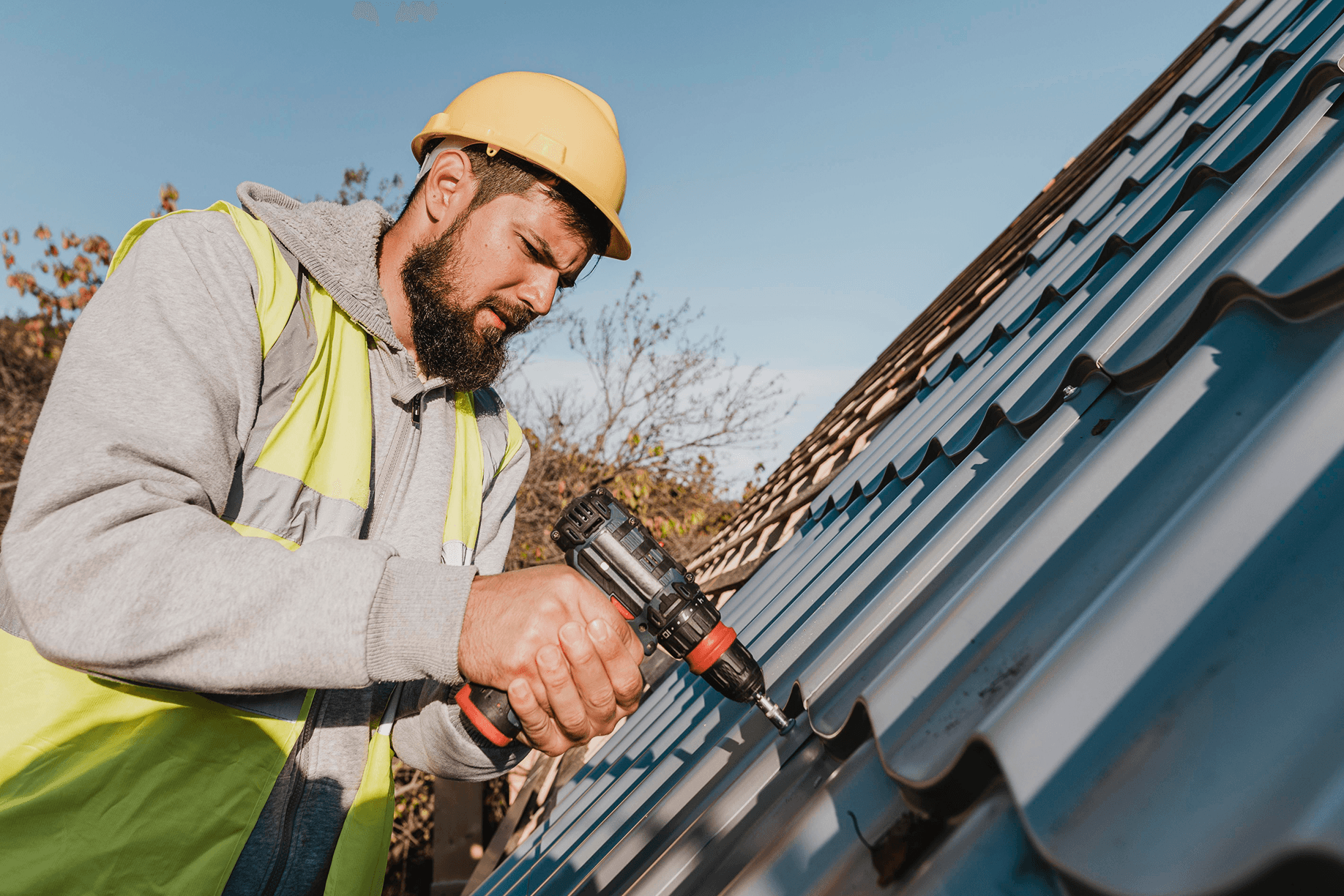
Lift the damaged shingle, slide in a replacement, and secure it with roofing nails. Make sure it aligns with surrounding shingles. Check for any underlying water damage or rot, and replace additional shingles if necessary to ensure a fully protected, durable, and watertight roof.
2. Fixing Small Leaks Around Flashing
Seal minor leaks with roofing cement or silicone caulk. Inspect flashing around chimneys, vents, or skylights for cracks or gaps. Clean the area before applying sealant, press firmly for a tight seal, and add an extra layer to reinforce waterproofing and prevent future leaks.
3. Cleaning Gutters and Downspouts
Remove debris and leaves to ensure water flows freely. Clogged gutters can cause leaks, water damage, foundation issues, and erosion around your home. Regular cleaning prevents mold growth, insect infestations, and structural damage, ensuring proper drainage, prolonging gutter life, and protecting both your roof and property from costly repairs.
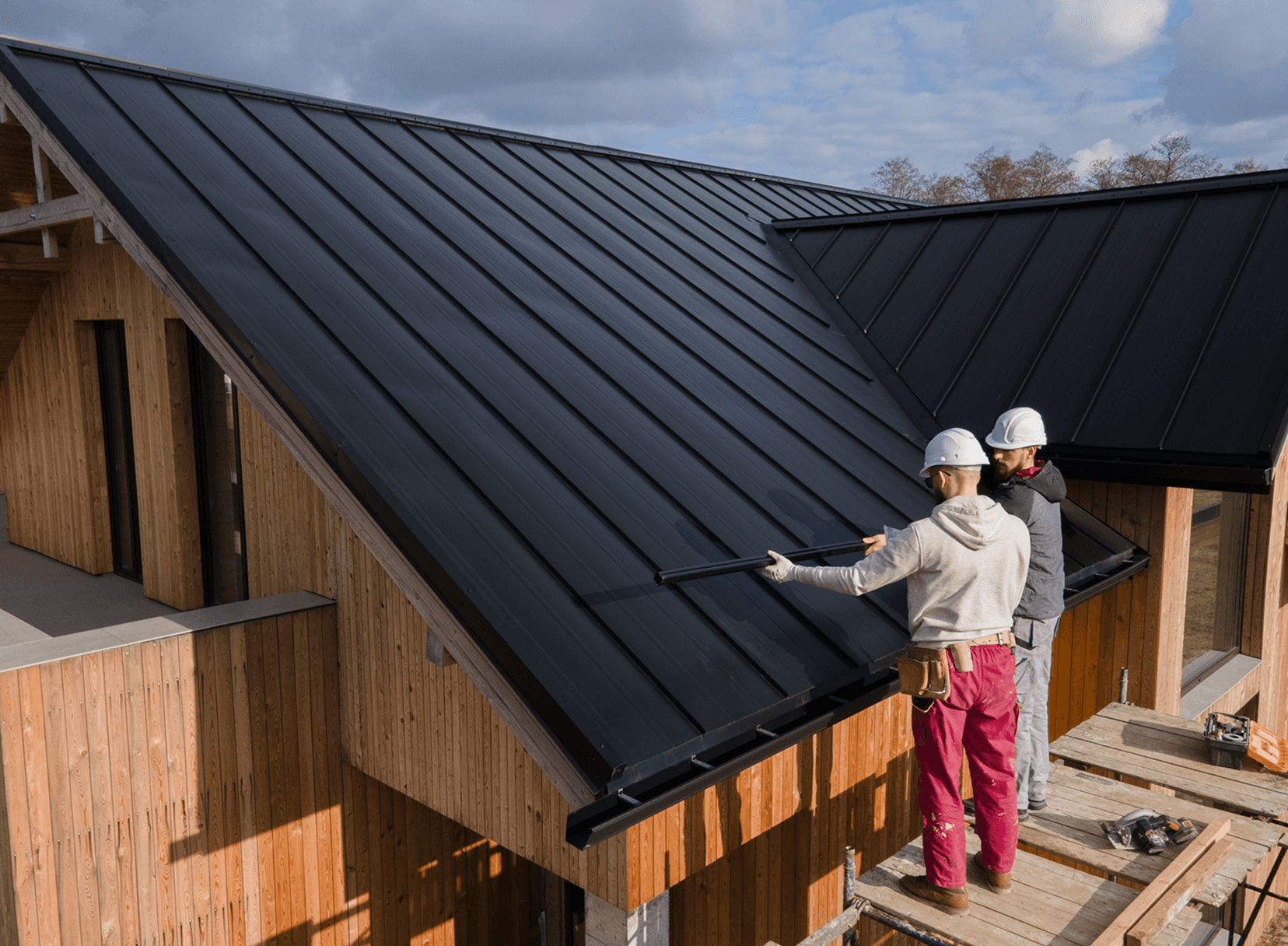
4. Re-securing Loose Shingles or Tiles
Check for loose shingles and fasten them back in place. Use roofing nails or adhesive to keep them secure, prevent wind or water damage, and maintain your roof’s durability, longevity, overall structural integrity, and appearance.
5. Patching Small Roof Holes
Apply a patch using roofing cement or a self-adhesive waterproof patch. Smooth it out to prevent water from seeping underneath, ensuring full coverage around edges. Press firmly to eliminate air bubbles, and check for cracks or gaps after curing. Regularly inspect patched areas to maintain a watertight seal and prevent future leaks or roof damage.
“A little attention to your roof now can prevent expensive repairs later—and DIY repairs done safely can give you confidence, control, and long-lasting protection for your home."
- Liam James
Handy Tips for Safe DIY Roofing
Roof maintenance can be risky, but proper precautions, safety gear, and awareness make DIY roofing safer, easier, and more effective for homeowners.
Always use a safety harness and non-slip shoes.
Work with a partner or let someone know you’re on the roof.
Take frequent breaks and stay hydrated.
Inspect your work afterward to ensure it’s secure and watertight.
Keep tools and materials organized to avoid accidents.
Final Thoughts
DIY roof repairs can save time and money—but safety is always the top priority. By preparing properly, knowing your limits, and following these simple steps, you can handle minor roof repairs effectively and confidently.
So before the next season changes, take a few minutes to plan, prioritize, and perform maintenance tasks. Your home—and your peace of mind—will thank you.